

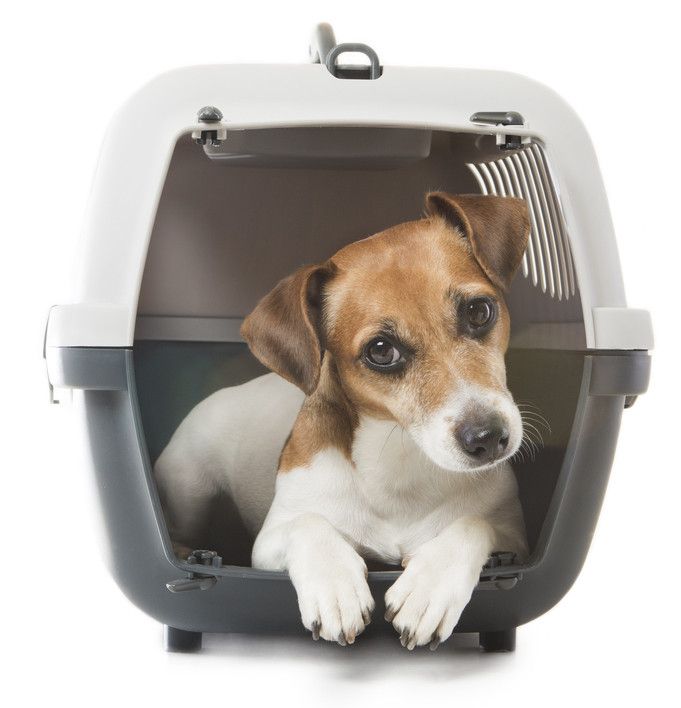
Arranging dog boarding involves more than choosing a suitable place for a pet to stay. Pet owners must also coordinate transportation, prepare their dogs for the transition, and ensure the boarding arrangements fit their schedules. For busy households, these additional responsibilities can make planning a trip or arranging professional dog care more challenging.
Mobile dog transportation for boarding offers a practical solution by bringing pickup and drop-off services into the process. Instead of driving a dog to a facility and returning home afterward, owners can arrange transportation directly from home. Rob’s Dog Training offers a door-to-door service that picks up dogs for training or boarding and returns them home when their stay is complete. This service provides a convenient option for pet owners across the Valley who want to simplify their dog care arrangements.
Understanding how this arrangement works, how to prepare a dog, and what to confirm before pickup can help owners plan a smoother boarding experience.
What Is Mobile Dog Transportation for Boarding?
Mobile dog transportation for boarding is a pickup and drop-off arrangement that helps dogs travel between their homes and a boarding facility. Rather than requiring owners to manage both journeys themselves, the service coordinates transportation as part of the dog’s care arrangements.
This option can be especially useful for people balancing work commitments, family responsibilities, travel plans, and other daily obligations. It can also simplify logistics for households that have difficulty arranging transportation during a facility’s operating hours.
Rob’s Dog Training provides door-to-door transportation for dogs attending its training or boarding services. According to its website, dogs are collected from home, taken to the facility, and returned home after their stay. The service area is listed as Valley-wide, making it relevant to pet owners throughout the covered communities.
However, transportation is only one part of the experience. Owners should also consider the dog’s individual needs, the boarding facility’s requirements, and the arrangements necessary for a safe handover.
How Door-to-Door Dog Boarding Transportation Works
Understanding the process before scheduling pickup helps owners prepare for each stage. Although individual arrangements may differ, several practical steps can make transportation easier to coordinate.
1. Arrange the Boarding Stay
Start by determining the dates, duration, and purpose of the dog’s stay. Some dogs need boarding while their owners travel, while others attend a board-and-train program that combines accommodation with professional instruction.
These are different needs, so clarify which service is appropriate before arranging transportation. Confirm availability, discuss the dog’s requirements, and ask what information must be provided before the scheduled pickup.
2. Confirm Pickup and Drop-Off Details
Once the boarding arrangements are established, confirm the transportation schedule directly with the provider. Ask about the expected pickup window, the collection address, the return arrangements, and any access instructions needed at the property.
Clear communication helps prevent missed pickups and confusion on the day of travel. If another person will hand over the dog, ensure that individual understands the agreed arrangements and can communicate relevant information to the driver or care team.
3. Prepare the Dog for Departure
Before pickup, allow enough time for a bathroom break and a calm transition from the home environment. Keep the dog’s leash, identification, and any requested belongings ready.
Avoid creating unnecessary excitement around departure. A predictable routine and calm handling can help the dog move from home to transportation with fewer distractions.
4. Coordinate the Return Home
The transportation process does not end when the dog arrives at the facility. Confirm how the return journey will be arranged and who will be available to receive the dog.
After boarding, allow time for the dog to settle back into the household routine. Familiar feeding, walking, and resting schedules can help make the transition home more predictable.
Preparing a Dog for Mobile Transportation
Good preparation helps the care team understand a dog’s needs and reduces avoidable complications during handover. The most useful preparations are straightforward and tailored to the individual animal.
- Share accurate information: Provide details about the dog’s age, temperament, daily routine, and any known travel sensitivities.
- Discuss health requirements: Explain relevant medical needs, mobility limitations, medications, or other care instructions before the scheduled stay.
- Prepare identification: Ensure the dog’s identification details are current and provide emergency contact information as requested.
- Follow feeding instructions: Ask whether feeding should take place before pickup and follow the provider’s guidance.
- Organize approved belongings: Confirm whether food, medication, bedding, or familiar comfort items should accompany the dog.
- Explain behavioural concerns: Communicate any history of fear, reactivity, handling difficulties, or discomfort around unfamiliar people and dogs.
These details allow the provider to plan appropriately rather than discovering important information during pickup. Owners should also ask about carrier, harness, leash, and vehicle-restraint requirements instead of assuming that every transportation arrangement follows the same procedure.
Choosing a Suitable Dog Transportation and Boarding Service
Convenience matters, but it should not be the only consideration when selecting a provider. A suitable arrangement should account for the dog’s welfare, the practical requirements of the journey, and the care available after arrival.
Ask About Handling and Vehicle Safety
Before booking, ask how dogs are secured during transportation and what procedures are followed during loading and unloading. Appropriate restraint helps reduce the risk of injury if a vehicle stops suddenly or the dog becomes unsettled.
Owners should also explain whether their dogs have difficulty entering vehicles, tolerate unfamiliar handlers, or need assistance with mobility. These conversations help determine whether the proposed arrangement is suitable.
Understand the Boarding Environment
Transportation and boarding are connected, but they serve different purposes. A convenient pickup service does not automatically establish whether a facility is suitable for a particular dog.
Review the facility’s care procedures, supervision arrangements, accommodation, exercise opportunities, and policies for interacting with other dogs. Ask how staff respond when a dog shows signs of stress or requires additional attention.
Rob’s Dog Training describes its boarding service as structured care with controlled, purposeful interactions rather than unrestricted group play. Owners interested in the facility can review its dog boarding information and ask questions about arrangements that matter to their pets.
Confirm Communication Procedures
Clear communication is important before, during, and after a boarding stay. Ask whom to contact if pickup arrangements change, how unexpected delays are handled, and how relevant care concerns are communicated.
It is also helpful to establish what happens if a dog becomes unwell or needs attention beyond the original plan. Knowing the appropriate contact process can make owners feel more prepared while their pets are away.
When Is Mobile Dog Transportation Worth Considering?
Door-to-door transportation can be particularly useful when coordinating dog care around a demanding schedule. Pet owners who work long hours, travel frequently, or manage several household responsibilities may appreciate having pickup and return journeys included in the arrangements.
It can also help when a household has limited access to a suitable vehicle or when coordinating a trip to a boarding facility creates additional scheduling difficulties. However, convenience should always be balanced with the dog’s individual needs.
For example, a dog that becomes distressed during car travel may need additional preparation or a discussion with the provider before transportation is arranged. Dogs with medical conditions or mobility limitations may also require specific accommodations.
Owners should explain these circumstances in advance and confirm whether the available service can meet the dog’s requirements. If a proposed arrangement is unsuitable, another transportation plan may be more appropriate.
The goal is not simply to make travel easier for the owner. It is to coordinate a journey that fits the dog’s needs while reducing unnecessary logistical pressure on the household.
Mobile Transportation for Boarding and Board-and-Train Programs
Dog boarding and board-and-train programs can involve similar transportation arrangements, but their objectives differ. Boarding primarily provides accommodation and care while an owner is away. Board-and-train combines a stay at a professional facility with structured training.
Rob’s Dog Training offers both training and boarding services through its door-to-door transportation option. This allows owners to discuss the appropriate service while arranging pickup and return transportation.
For dogs attending a board-and-train program, owners should discuss training goals, behavioural concerns, and the dog’s existing skills before the stay begins. Understanding the program’s objectives helps establish realistic expectations for the experience.
It is equally important to discuss what happens when the dog returns home. Training progress may require owners to maintain consistent routines, use agreed cues, and follow the guidance provided by the trainer. Transportation makes the logistics more convenient, while continued participation at home helps support the transition.
Pet owners should review the program details directly with the provider rather than assuming that every boarding stay includes training or that transportation automatically includes additional services.
Making the Boarding Experience More Convenient
The best boarding arrangements combine careful planning, appropriate care, and clear communication. Door-to-door transportation can remove some of the practical challenges associated with taking a dog to and from a facility, allowing owners to organize professional care around their schedules.
Rob’s Dog Training offers a convenient option for eligible pet owners in the Valley who want pickup and drop-off for dog boarding or training. Before scheduling, confirm the available arrangements, explain the dog’s needs, and ask any questions necessary to prepare for the journey.
Ultimately, mobile dog transportation for boarding is most useful when convenience is supported by thoughtful preparation and attention to canine welfare. By planning ahead and choosing an arrangement that suits the dog, owners can make the transition from home to professional care more organized and manageable.
