

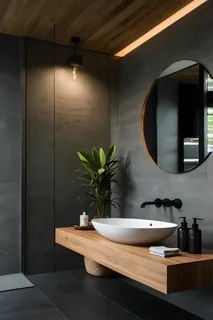
Choosing contemporary bathroom countertop materials involves balancing style, durability, and maintenance. The right surface can complement bathroom fixtures, coordinate with cabinetry, and create a cohesive appearance while meeting everyday needs.
Modern bathroom designs often feature clean lines, understated colors, and natural-inspired textures. Engineered quartz and acrylic solid surface materials from Hyundai L&C offer different design possibilities for homeowners planning a bathroom renovation. Understanding their characteristics can help narrow the options and identify a countertop that suits the space.
What Makes a Bathroom Countertop Contemporary?
Contemporary countertops combine practical functionality with a streamlined appearance. Rather than relying on elaborate details, modern designs often use complementary colors, subtle patterns, and simple finishes to create visual interest.
Several features can contribute to a contemporary bathroom design:
- Clean lines: Simple countertop edges complement modern cabinetry and fixtures.
- Neutral colors: White, gray, beige, and earthy tones create a coordinated appearance.
- Natural-inspired patterns: Stone-inspired veining adds texture and visual depth.
- Practical surfaces: Materials suited to everyday use help maintain the countertop’s appearance.
The ideal design depends on the bathroom’s overall style, lighting, and existing finishes. Comparing countertop samples with cabinetry, flooring, and fixtures can help create a balanced result.
Comparing Contemporary Bathroom Countertop Materials
Two options worth considering are engineered quartz and acrylic solid surface. Each offers distinct characteristics that can influence the appearance, fabrication, and maintenance of a bathroom vanity.
HanStone Quartz for a Stone-Inspired Appearance
HanStone Quartz from Hyundai L&C offers engineered quartz surfaces in designs suited to a range of contemporary interiors. Stone-inspired patterns and varied color options allow homeowners to create anything from a subtle, neutral vanity to a more distinctive focal point.
Quartz is valued for its hardness, scratch resistance, and relatively low maintenance requirements. Its nonporous composition helps resist staining when the surface is maintained according to the manufacturer’s instructions.
For a minimalist bathroom, a light quartz countertop with subtle veining can complement simple cabinetry and understated hardware. Darker designs can provide contrast against light-colored walls, sinks, and fixtures.
Quartz can be suitable for homeowners seeking a durable surface with a refined appearance. However, appropriate care remains important. Following product-specific cleaning instructions and avoiding excessive heat can help preserve the countertop.
Hanex Solid Surfaces for Seamless Design
Hanex Solid Surfaces from Hyundai L&C provide another option for contemporary bathroom countertops. These acrylic solid surfaces are nonporous and can be fabricated with inconspicuous seams, supporting a smooth, consistent appearance.
Depending on the selected design and fabrication requirements, solid surface materials can also accommodate integrated sinks and custom shapes. These features can be useful in bathrooms where visual continuity and streamlined details are priorities.
Another consideration is repairability. Certain types of surface damage may be repairable by a qualified professional, depending on the product and the extent of the damage.
When comparing Hanex with quartz, consider the desired appearance, fabrication possibilities, maintenance requirements, and intended application. Reviewing the product specifications can help determine which surface better suits the project.
Choosing the Right Countertop Color and Finish
Countertop color influences how the bathroom looks and how its individual design elements work together. The right choice can complement existing finishes without making the space feel visually crowded.
Consider these approaches when selecting a countertop:
- White and pale gray: These shades work well with minimalist interiors, light cabinetry, and understated fixtures.
- Beige and warm neutrals: These colors complement wood-look cabinetry and earthy finishes.
- Dark shades: Deeper colors can introduce contrast and create a distinctive focal point.
- Subtle veining: Delicate patterns add texture without overwhelming a simple design.
- Bold patterns: More prominent veining can create visual interest when paired with restrained finishes elsewhere.
Lighting is another important consideration. A countertop may appear different under showroom lighting than it does under bathroom vanity lights or natural daylight. Reviewing samples in the intended space can help homeowners evaluate the color and pattern more accurately before making a final decision.
Understanding Countertop Durability and Maintenance
Bathroom countertops encounter water splashes, cosmetics, toothpaste, skincare products, and regular cleaning. Selecting a suitable material means considering how it performs under these everyday conditions.
Quartz offers hardness and resistance to everyday scratching, while acrylic solid surface materials provide fabrication flexibility and the potential for professional repair. Both require appropriate care to maintain their appearance.
Neither material should be treated as indestructible. Unsuitable cleaning products, abrasive tools, excessive heat, and improper maintenance can affect surface performance.
Before purchasing a countertop, review the manufacturer’s care instructions and ask about recommended cleaning products. These precautions can help prevent avoidable damage and support the countertop’s long-term appearance.
Simple maintenance habits include:
- Wiping away spills promptly.
- Cleaning the surface with approved products and a soft cloth.
- Avoiding direct contact with hot styling tools.
- Following product-specific instructions for removing stubborn marks.
- Consulting a qualified professional if repairs are necessary.
Understanding these requirements before installation can help homeowners choose a countertop that fits their preferred maintenance routine.
How Hyundai L&C’s Surfaces Support Modern Bathroom Design
Hyundai L&C offers HanStone Quartz and Hanex Solid Surfaces for projects with different design and functional priorities.
HanStone Quartz provides stone-inspired designs for homeowners seeking a refined countertop with everyday durability. Hanex Solid Surfaces offer nonporous surfaces and fabrication flexibility for designs that benefit from inconspicuous seams and integrated features.
When comparing these collections, consider the desired color, pattern, countertop configuration, maintenance requirements, and product-specific technical information. Reviewing available samples and consulting a qualified fabricator can help clarify how each material will work within the planned bathroom design.
Choosing a countertop based on both appearance and practical requirements helps create a space that remains visually cohesive and suitable for daily use.
Conclusion
Selecting contemporary bathroom countertop materials requires careful consideration of design, durability, and maintenance. HanStone Quartz offers stone-inspired patterns and a hard surface, while Hanex Solid Surfaces provide fabrication flexibility for streamlined designs and integrated features.
By comparing material characteristics, evaluating countertop samples, and reviewing product-specific care requirements, homeowners can make informed decisions for a modern bathroom renovation. Explore the HanStone Quartz and Hanex Solid Surfaces collections from Hyundai L&C to find options that suit the intended design and functional needs.
