

Aesthetic medicine is gradually moving away from the idea that visible rejuvenation must come from simply adding volume or temporarily relaxing muscles. Instead, modern treatment strategies increasingly focus on improving the skin’s own structure and encouraging natural regenerative processes. Collagen-stimulating treatments are at the center of this shift, offering approaches designed to improve firmness, texture, elasticity, and the appearance of fine lines over time.
Understanding the Importance of Collagen
Collagen is one of the primary structural proteins in the skin. It helps provide strength, firmness, and support, while working alongside elastin and other components of the extracellular matrix. As people age, collagen production and organization change, contributing to thinner-looking skin, wrinkles, reduced elasticity, and changes in texture.
Collagen stimulation therefore takes a different approach from treatments that simply create an immediate cosmetic effect. The objective is to encourage biological remodeling so that improvements develop progressively rather than relying entirely on an instant correction.
What Are Collagen-Stimulating Treatments?
Collagen-stimulating treatments are aesthetic procedures that create controlled signals within the skin to encourage fibroblast activity and tissue remodeling. Depending on the technology, this may involve carefully controlled mechanical injury, heat, energy delivery, or injectable biostimulatory materials.
Microneedling, radiofrequency microneedling, certain laser treatments, radiofrequency devices, ultrasound-based technologies, and some biostimulatory injectables can all be used within broader collagen-focused treatment strategies. Research on radiofrequency microneedling, for example, indicates that controlled dermal injury and heating can encourage collagen remodeling while addressing concerns such as wrinkles, scarring, and skin laxity.
From Correction to Regeneration
One of the biggest changes in aesthetic care is the growing emphasis on gradual improvement. Traditional cosmetic procedures often focus on correcting a visible concern immediately. Collagen-focused treatments instead aim to influence the underlying quality of the skin.
This regenerative philosophy can be particularly appealing to people who want improvements that remain subtle and develop naturally. Rather than dramatically changing facial proportions, treatment plans can focus on creating smoother texture, better firmness, and a healthier-looking surface.
How Microneedling Supports Skin Remodeling
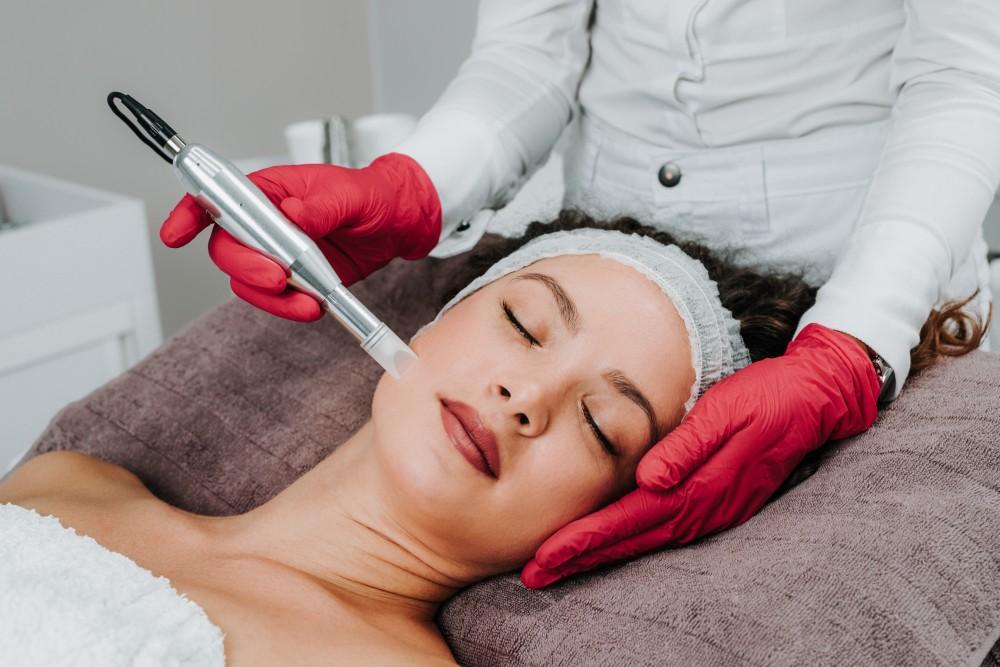
Microneedling uses very small needles to create controlled micro-injuries in the skin. These tiny injuries activate the body’s wound-healing response, which can involve fibroblast activity and the formation of new collagen.
The treatment has been used for concerns including acne scars, uneven texture, and signs of skin aging. Results generally develop gradually because collagen remodeling is a biological process rather than an instant cosmetic correction. The American Academy of Dermatology also notes that radiofrequency microneedling combines needling with heat and may increase collagen production.
The Role of Radiofrequency Technology
Radiofrequency has expanded the possibilities of collagen-focused aesthetic treatments. Rather than relying exclusively on mechanical stimulation, radiofrequency devices deliver controlled energy that heats targeted tissue. This thermal effect can contribute to collagen contraction and longer-term remodeling.
Radiofrequency microneedling combines these concepts by delivering RF energy through needles into the dermis. Clinical literature has reported improvements in skin laxity, wrinkles, texture, and certain types of scarring, although outcomes depend on treatment settings, patient characteristics, and practitioner technique.
Biostimulation and the Changing Injectable Landscape
Injectable aesthetics are also evolving beyond conventional volume replacement. Some injectable products are designed to stimulate collagen formation rather than simply occupying space beneath the skin.
These approaches can be used strategically when the goal is to improve skin quality or support gradual tissue changes. However, injectable treatments differ significantly in composition, indications, risks, and evidence. Proper patient assessment is essential before deciding whether a biostimulatory approach is appropriate.
For people exploring these options, Vedas Medical Spa can be considered as part of a broader aesthetic-care journey focused on individualized treatment planning and skin rejuvenation.
Why Combination Treatments Are Becoming More Important
No single treatment addresses every aspect of skin aging. Someone may have fine lines, pigmentation, laxity, enlarged pores, acne scarring, and changes in facial volume at the same time. Treating only one concern may therefore produce limited overall improvement.
Modern aesthetic planning increasingly considers combinations of complementary technologies. For example, collagen-stimulating procedures may be paired with treatments targeting pigmentation, surface irregularities, hydration, or facial movement. Recent clinical guidance similarly emphasizes matching different modalities to specific aspects of skin quality rather than relying on one universal treatment.
Results Usually Develop Gradually
An important characteristic of collagen stimulation is that results may take time. The body needs an opportunity to respond to the treatment and remodel existing tissue. Consequently, improvements may become more noticeable over several weeks or months rather than immediately after a procedure.
This gradual process can make collagen-focused treatments attractive to individuals seeking understated changes. It also means expectations should be realistic. Results vary according to age, skin characteristics, lifestyle factors, treatment technique, and the specific technology being used.
Safety and Professional Assessment Matter
Although many collagen-stimulating procedures are minimally invasive or non-surgical, they are still medical or medically supervised aesthetic interventions in many settings. Temporary redness, swelling, sensitivity, discomfort, or other treatment-related reactions can occur.
The quality of the assessment and technique is particularly important. Treatment intensity, device settings, skin type, anatomical area, medical history, and recovery considerations should all be evaluated before treatment. Evidence also shows that outcomes can vary considerably between technologies and protocols, making individualized planning important.
A More Natural Direction for Aesthetic Medicine
Collagen-stimulating treatments represent a broader change in how aesthetic care is approached. Instead of concentrating exclusively on immediate correction, practitioners and patients are increasingly interested in improving the underlying quality of the skin.
The emphasis on gradual remodeling, personalized treatment plans, and combination approaches reflects a more comprehensive understanding of facial aging. As technology continues to develop, collagen stimulation is likely to remain an important component of modern aesthetic care.
Final Thoughts
The evolution of aesthetic medicine is increasingly about working with the skin rather than simply altering its appearance. Collagen-stimulating treatments provide a range of options for encouraging structural renewal, improving texture, supporting firmness, and softening visible signs of aging.
While these procedures are not a substitute for healthy skincare or a guarantee of dramatic results, carefully selected treatments can form part of a thoughtful, individualized approach to long-term skin quality. The most successful aesthetic plans are likely to be those that prioritize realistic expectations, appropriate technology, professional expertise, and the unique needs of each patient.
