

Introduction
The discussion surrounding performance-enhancing substances has grown significantly in recent years, especially as bodybuilding culture, competitive sports, and aesthetic fitness trends continue to expand globally. At the center of this conversation is The Ethical Debate Around Monster Steroids in Health, a topic that raises questions about fairness, safety, personal freedom, and medical responsibility.
While some argue that such substances represent a form of self-optimization, others see them as a dangerous distortion of health practices and athletic integrity. This tension makes The Ethical Debate Around Monster Steroids in Health a complex issue that extends far beyond gyms and sports arenas.
What Are “Monster Steroids”?
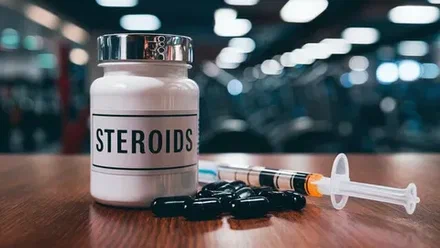
The term “monster steroids” is not a formal medical classification, but rather a colloquial expression often used to describe high-dose or potent anabolic-androgenic steroids (AAS). These substances are synthetic variations of testosterone designed to promote muscle growth, enhance physical performance, and accelerate recovery.
However, when used outside of medical supervision, these compounds can carry serious health risks, including hormonal imbalance, cardiovascular strain, and psychological effects. This is why The Ethical Debate Around Monster Steroids in Health is frequently tied to concerns about misuse and long-term well-being.
Ethical Concerns in Personal Use
One of the central arguments in The Ethical Debate Around Monster Steroids in Health revolves around individual autonomy. Supporters of personal use argue that adults should have the right to decide what they put into their bodies, especially if the goal is self-improvement or aesthetic enhancement.
Opponents, however, counter that true autonomy requires informed consent, and that many users underestimate or are unaware of the long-term consequences. Additionally, there is concern that widespread normalization of steroid use can pressure others into adopting similar practices to remain competitive or socially accepted.
This creates a moral gray area where freedom of choice collides with public health responsibility.
Health Risks and Medical Responsibility
Medical professionals often emphasize the potential dangers associated with unsupervised steroid use. These may include liver damage, cardiovascular disease, infertility, mood disorders, and dependency.
In the context of The Ethical Debate Around Monster Steroids in Health, healthcare providers face a difficult balancing act. On one hand, they aim to discourage unsafe usage; on the other, they must treat patients who may already be using these substances without judgment or stigma.
This raises an ethical question: should medical systems focus more on prevention and education, or on harm reduction and treatment? Many experts argue that both approaches are necessary to address the issue effectively.
Sports, Fairness, and Competitive Integrity
Athletic competition is another major arena where The Ethical Debate Around Monster Steroids in Health plays out. Most professional sports organizations prohibit performance-enhancing drugs to maintain fairness among competitors.
The use of steroids is often viewed as creating an uneven playing field, where success depends less on natural talent, training, and discipline, and more on chemical enhancement. Critics argue that this undermines the spirit of sport itself.
However, some athletes and commentators question whether current rules are realistic, pointing out that enforcement is inconsistent and that performance enhancement technologies continue to evolve.
Social Pressure and Body Image Culture
Beyond sports, the rise of fitness influencers and social media aesthetics has intensified body image expectations. Many individuals feel pressured to achieve unrealistic physiques, which can contribute to the temptation to use performance-enhancing substances.
In this context, The Ethical Debate Around Monster Steroids in Health becomes not just a medical or sporting issue, but also a cultural one. The normalization of extreme muscular physiques can blur the line between healthy fitness goals and harmful enhancement practices.
This raises important questions about responsibility: should platforms, influencers, or fitness industries be more accountable for promoting realistic body standards?
Regulation and Legal Perspectives
Different countries have taken varied approaches to regulating anabolic steroids. In many places, they are controlled substances available only through prescription for legitimate medical conditions. However, illegal markets remain widespread.
Lawmakers face a challenge in addressing The Ethical Debate Around Monster Steroids in Health without driving usage further underground. Strict prohibition can reduce access but may also limit education and increase unsafe black-market activity.
Some experts suggest that a regulated harm-reduction model, combined with public education campaigns, may be more effective than outright bans alone.
Conclusion
Ultimately, The Ethical Debate Around Monster Steroids in Health does not have a simple resolution. It sits at the intersection of personal freedom, medical ethics, competitive fairness, and cultural pressure. Each perspective brings valid concerns, and no single approach fully addresses all dimensions of the issue.
As science, sports culture, and societal expectations continue to evolve, so too will the conversation. What remains clear is that informed decision-making, open dialogue, and responsible education are essential in navigating this complex and ongoing ethical debate.
