

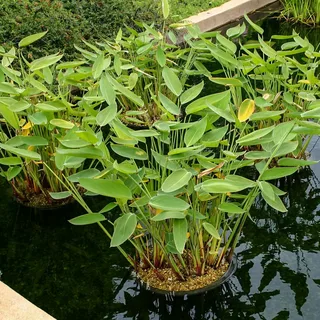
A well-designed water garden can become a peaceful focal point in any outdoor space. While water features, stones, and fish contribute to the overall appearance, plants are essential for creating a natural and balanced environment. Marginal plants are especially useful because they grow in shallow water or consistently moist soil around the pond edge, helping blend the water feature into the surrounding landscape.
If you want to Buy Marginal Pond Plants for a Beautiful and Natural Water Garden, choosing suitable varieties can make your pond more attractive while also providing valuable benefits for the local ecosystem.
What Are Marginal Pond Plants?
Marginal pond plants are aquatic or moisture-loving plants that naturally grow around the shallow edges of ponds, lakes, and streams. Unlike deep-water plants such as water lilies, marginal plants usually grow with their roots submerged while their leaves and stems remain above the water.
They come in a wide range of shapes, heights, textures, and colors. This makes it easy to create a layered planting scheme that looks natural throughout the seasons.
Benefits of Marginal Plants in a Water Garden
Create a Natural Pond Edge
Marginal plants soften the transition between water and land. Their foliage can hide pond liners, containers, and artificial edges, giving the feature a more established and natural appearance.
Support Wildlife
Many marginal plants provide shelter and resting areas for insects, frogs, and other garden wildlife. Their flowers can also attract pollinators, helping increase biodiversity around your pond.
Improve Visual Appeal
From tall upright foliage to delicate flowering varieties, marginal plants add color and texture to the water garden. Combining several varieties can create an attractive display without making the pond look overly formal.
Help Create a Balanced Environment
Aquatic plants can contribute to a healthy pond environment by taking up nutrients and providing cover for aquatic organisms. A carefully planned selection of plants can therefore support both beauty and ecological balance.
Popular Marginal Pond Plants to Consider
When you Buy Marginal Pond Plants for a Beautiful and Natural Water Garden, consider varieties that suit your pond’s depth, sunlight, climate, and overall design.
Iris
Water-loving iris varieties are popular for their attractive flowers and elegant foliage. They can bring seasonal color to shallow pond margins and work particularly well when planted in groups.
Cattails
Cattails offer distinctive vertical growth and can give larger ponds a natural wetland appearance. Because some varieties can spread aggressively, choose them carefully and provide adequate space.
Marsh Marigold
Marsh marigold is valued for its cheerful flowers and compact growth. It is an excellent option for adding seasonal brightness to damp or shallow areas.
Pickerelweed
Pickerelweed produces attractive flower spikes and broad foliage. It can provide height, texture, and habitat around the pond edge while helping create a lush appearance.
How to Choose the Right Plants
Before purchasing, consider the conditions available around your pond. Check the recommended planting depth for each variety and make sure it matches the shallow areas of your water feature.
Sunlight is another important factor. Some plants thrive in full sun, while others perform better with partial shade. It is also useful to consider mature plant size so that vigorous varieties do not overcrowd smaller plants.
For a natural appearance, combine plants with different heights and textures. Taller species can be positioned toward the back, while shorter varieties can be planted closer to the water’s edge.
Planting Marginal Pond Plants Successfully
Prepare the Planting Area
Use aquatic planting baskets or suitable containers where appropriate. Aquatic compost designed for pond plants can help establish healthy root growth while reducing the risk of loose soil entering the water.
Position Plants at the Correct Depth
Marginal plants have different water-depth requirements. Follow the growing instructions supplied with each plant and gradually adjust the container height if necessary.
Avoid Overcrowding
Give each plant enough room to develop. Starting with a moderate number of plants allows you to observe their growth and add more later if needed.
Ongoing Care and Maintenance
Once established, many marginal pond plants require relatively little maintenance. Remove dead or damaged foliage regularly to keep the pond edge tidy. During the growing season, monitor vigorous plants and divide them when they become overcrowded.
It is also important to remove excessive fallen leaves and other organic debris from the pond. Good general pond maintenance helps keep the water garden attractive and supports healthy plant growth.
Creating a Beautiful Planting Design
A successful pond planting scheme should look natural rather than overly uniform. Try combining flowering plants with varieties that offer interesting foliage. Repeating a few complementary species around different sections of the pond can create visual continuity.
When you Buy Marginal Pond Plants for a Beautiful and Natural Water Garden, think beyond individual plants and consider how they will work together as a complete landscape. A mixture of colors, textures, and heights can transform a simple pond into an inviting garden feature.
Final Thoughts
Marginal pond plants are an excellent way to enhance the beauty and natural character of a water garden. They can soften pond edges, provide wildlife habitat, add seasonal interest, and contribute to a more balanced aquatic environment.
By selecting plants according to their growing requirements, mature size, and appearance, you can develop a healthy and attractive pond landscape. Whether you have a small garden pond or a larger water feature, taking the time to Buy Marginal Pond Plants for a Beautiful and Natural Water Garden can help you create an outdoor space that feels vibrant, peaceful, and naturally integrated with its surroundings.
