

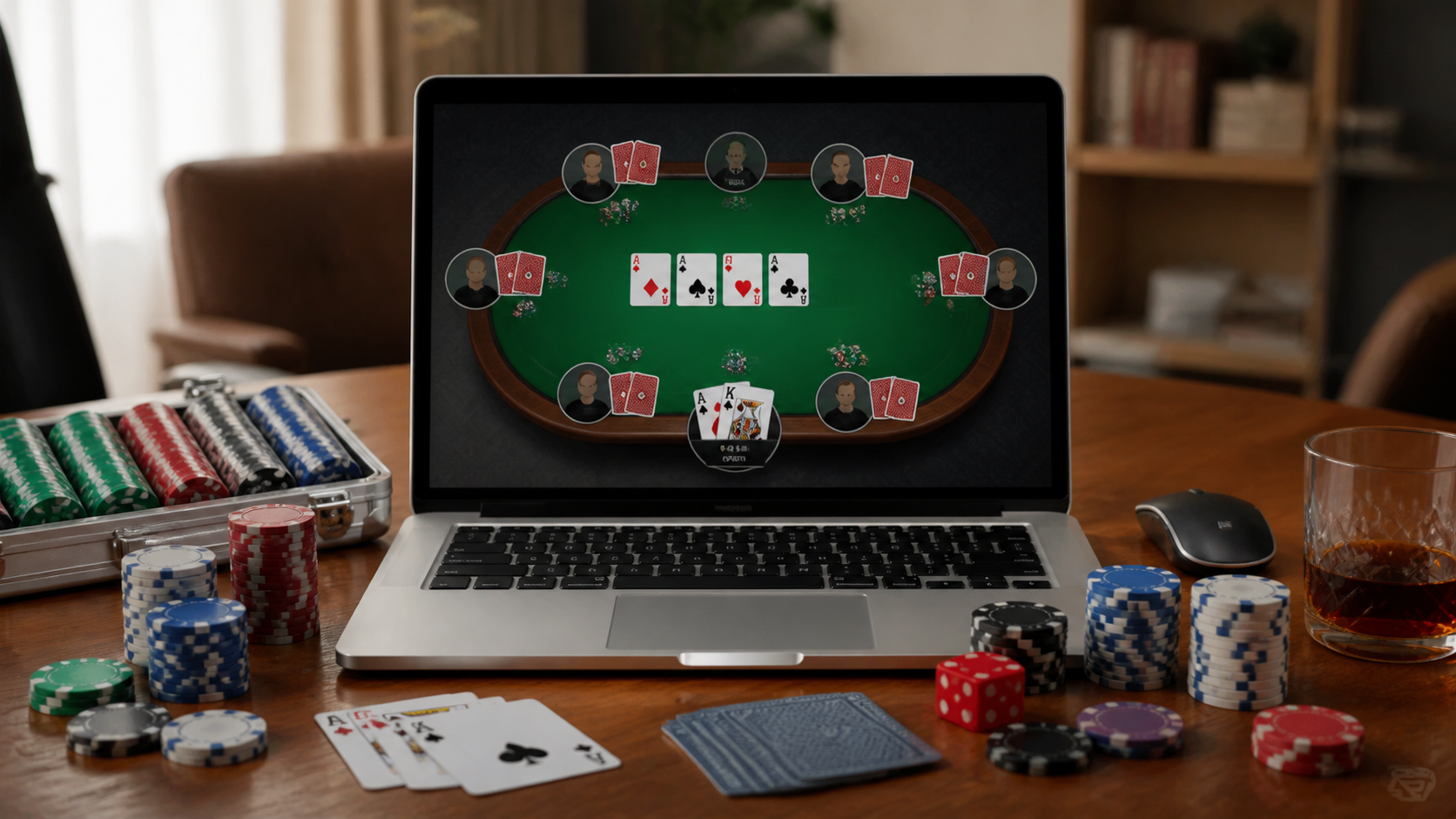
Online poker has become one of the most recognizable forms of digital card play because it combines strategy, patience, and fast decision-making in a format that is easy to access from home. For many players, the appeal is not just the cards themselves, but the way each hand creates a small puzzle: when to call, when to fold, and how to read a table that changes from moment to moment.
As the format has grown, so has the variety of tables, limits, and playing styles. That makes it useful to look beyond the surface and understand what actually shapes a good experience. If you want a resource that fits the topic closely, เกมโป๊กเกอร์ออนไลน์ can be a helpful starting point for exploring the wider category and thinking about the practical side of play.
Whether someone is curious about learning the basics or simply wants to make smarter table choices, a clear overview can reduce confusion. Online poker rewards players who pay attention to structure, timing, and discipline, so the more you understand the format, the easier it becomes to approach it with confidence.
What Makes Online Poker Different from Other Card Games
Online poker stands apart from many other digital card games because the player is not only reacting to random cards, but also to the choices of other participants. That adds a layer of psychology and pattern recognition that changes the entire pace of play. Even when the rules are familiar, the online setting introduces new factors such as table speed, interface design, and the number of opponents involved.
Another important difference is accessibility. Players can join a table without waiting for a physical game to form, and they can often choose among multiple formats depending on how much time they have. Some prefer quick sessions with fewer players, while others enjoy longer, more deliberate games that give them space to think through each move.
The online setting also changes how players observe the game. In a live room, body language and table presence can matter. Online, those cues disappear, so attention shifts to betting patterns, timing, and the rhythm of each hand. That does not make the game simpler; it simply changes the kind of information a player can use.
How to Approach the Game with a Clear Strategy
A sensible poker approach begins with understanding that not every hand deserves action. Beginners sometimes play too many hands because the urge to stay involved is strong, but discipline usually matters more than excitement. Good decisions often come from waiting for better positions and recognizing when the table favors caution.
It also helps to think in terms of long-term choices rather than single hands. A player can make the right decision and still lose a hand, because poker involves uncertainty. What matters is whether the choice made sense based on the available information. This mindset keeps frustration lower and supports steadier play.
Table selection and pace
Choosing the right table can influence the quality of the experience. Some tables move quickly and suit players who like a faster rhythm, while others allow more time for reflection. A comfortable pace matters because rushed decisions can lead to avoidable mistakes. If a table feels too intense or too slow, changing to a better fit is often more useful than trying to force a style that does not suit you.
Another part of table selection is understanding the overall environment. A more relaxed table may give newer players time to learn, while a highly aggressive one can be useful only for those who are ready to adapt quickly. The best choice depends on the player’s comfort level and willingness to manage pressure.
Position and decision-making
Position is one of the most useful concepts in poker because acting later in a hand can provide more information. When a player sees how others behave before making a move, decisions often become clearer. That does not mean later position guarantees success, but it can improve awareness and reduce guesswork.
In practical terms, this means that strong poker play is often about timing as much as hand strength. Even a decent hand can become difficult to play from an awkward position, while a modest hand may become more valuable if the action before it suggests weakness. Learning how position changes the value of a decision is a key step in improving.
Common Mistakes Players Make Online
One of the most common mistakes is playing too emotionally. A bad beat can tempt a player to chase losses or become overly aggressive, but that usually creates more problems than it solves. Online poker works best when decisions are separated from short-term frustration. A calm approach is not always exciting, but it tends to be more sustainable.
Another frequent issue is ignoring bankroll limits. Even when the stakes feel small, it is wise to choose games that fit personal comfort. If a player enters a table that feels too expensive, every decision can become tense. The experience becomes less about poker and more about worrying over each move, which is rarely helpful.
Some players also underestimate how much attention the game requires. Because online play can be fast and easy to access, it is tempting to multitask or treat the session casually. That often leads to missed details, such as changes in betting patterns or table dynamics. Paying steady attention usually matters more than trying to play many hands at once.
- Play fewer hands when the table feels uncertain.
- Set a comfortable limit before starting a session.
- Avoid making decisions out of frustration.
- Stay focused on patterns rather than assumptions.
Choosing a Format That Fits Your Goals
Not every online poker format feels the same. Some players enjoy short sessions that move quickly, while others prefer longer games that allow more strategic depth. The right choice depends on what the player wants from the experience. Someone looking for a relaxed introduction may benefit from a slower format, while a more experienced player might enjoy a table with tougher decisions and a faster pace.
It is also useful to consider the balance between convenience and concentration. A format that is easy to join is not necessarily the best if it encourages distracted play. On the other hand, a highly demanding setup may feel rewarding but can also be tiring. Matching the format to your own attention span and comfort level is often more valuable than chasing the most active table.
Players should also think about how they learn best. Some people improve by repeating a familiar structure, while others learn faster by experimenting with different table types. A sensible approach is to start with what feels manageable, then adjust as understanding grows.
Learning through small decisions
Small decisions often teach more than dramatic wins. Folding weak hands, noticing how opponents bet, and identifying when to slow down can all sharpen judgment over time. These choices may not look impressive, but they build the habits that support better play later.
This is one reason online poker can be appealing to thoughtful players. The game rewards observation and patience, not only bold moves. A player who learns from ordinary hands is often in a better position than one who only remembers the big ones.
Keeping the Experience Balanced and Responsible
Because online poker is easy to access, it helps to treat it as a game of judgment rather than impulse. Setting time limits can make sessions more enjoyable and prevent the experience from drifting into fatigue. When attention starts to fade, decisions tend to weaken, so knowing when to stop is part of playing well.
It is also sensible to treat results realistically. Winning and losing both happen, and neither should be used as proof that a strategy is perfect or broken. Poker is a game where decisions matter, but outcomes still vary hand to hand. Accepting that uncertainty makes it easier to stay composed and avoid overreacting.
For players who want the experience to remain positive, a simple routine can help: choose a table with care, stay within personal limits, and step away when focus drops. Those habits do not make every session successful, but they do make the game easier to manage and more enjoyable over time.
Final Thoughts on Playing with Confidence
Online poker has lasting appeal because it blends accessibility with strategy. The rules may be familiar, but the setting creates new challenges that reward attention, discipline, and patience. Players who understand table selection, position, and common mistakes are usually better prepared to make thoughtful choices during a session.
In the end, the most useful approach is often the simplest one: learn the structure, stay aware of your decisions, and choose games that fit your comfort level. That mindset makes the experience more controlled and more rewarding, whether someone is just getting started or refining an existing style of play.
