

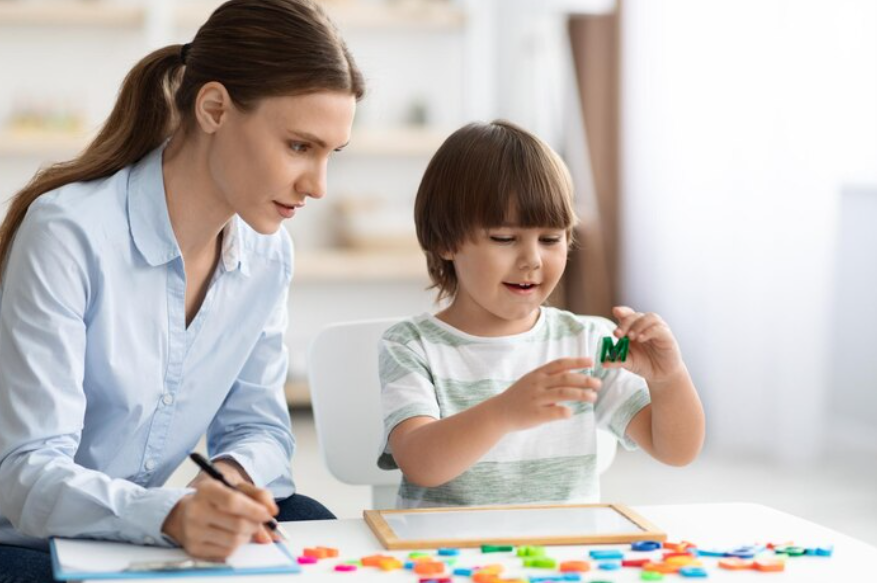
nderstanding how children learn and grow is important for every parent and caregiver. Some children, especially those with developmental differences, may need extra support to build essential skills. ABA therapy is one of the most widely used approaches to help children improve learning, behavior, communication, and daily life skills in a structured and supportive way. It focuses on breaking down complex skills into smaller steps so that learning becomes easier and more manageable for the child.
Understanding ABA Therapy in Simple Terms
ABA therapy is based on the science of behavior and learning. It studies how behavior works, how it is affected by the environment, and how learning takes place. In simple words, ABA therapy helps children learn new skills by using positive reinforcement and repeated practice. When a child performs a positive behavior, they are encouraged or rewarded, which increases the chances of repeating that behavior again.
This method is highly structured but also flexible. It can be adapted according to each child’s individual needs, strengths, and challenges. Whether a child needs help with communication, social interaction, or daily routines, ABA therapy can be adjusted to support their development in a meaningful way.
Supporting Learning and Academic Skills
One of the key benefits of ABA therapy is its support for learning and academic development. Children who struggle with focus, attention, or understanding instructions can benefit from step-by-step teaching methods used in ABA. Complex tasks like reading, writing, and problem-solving are broken into smaller, more manageable parts.
This approach helps children feel less overwhelmed and more confident in their abilities. Over time, they learn how to follow instructions, complete tasks independently, and stay focused for longer periods. As a result, their overall academic performance can improve in a steady and natural way.
Improving Communication and Social Skills
Communication is an essential part of a child’s development. ABA therapy plays a strong role in helping children improve both verbal and non-verbal communication skills. Some children may have difficulty expressing their needs or understanding others. ABA therapy encourages communication through structured teaching, repetition, and positive reinforcement.
It also helps children develop better social skills. They learn how to interact with others, take turns, share, and respond appropriately in social situations. These skills are important for building friendships and participating in group activities at school or in the community.
Building Daily Life and Independence Skills
ABA therapy is not only focused on learning and communication but also on everyday life skills. These include tasks such as dressing, eating, brushing teeth, and following daily routines. By learning these skills step by step, children become more independent and confident in handling their daily activities.
The therapy helps reduce dependency on caregivers and encourages children to complete tasks on their own. This independence plays an important role in their overall growth and prepares them for future challenges.
Encouraging Positive Behavior and Emotional Growth
Another important aspect of ABA therapy is behavior management. It helps children understand which behaviors are helpful and which are not. Instead of focusing on punishment, ABA therapy uses positive reinforcement to encourage good behavior.
Over time, children learn how to manage their emotions better and respond calmly in different situations. This emotional growth helps them feel more stable and secure in their environment, which further supports their learning and development.
Conclusion
ABA therapy is a structured and effective approach that supports children in many areas of development. From improving communication and academic skills to building independence and positive behavior, it offers well-rounded support tailored to each child’s needs. By focusing on small, achievable steps and positive reinforcement, ABA therapy helps children grow with confidence and reach their full potential in everyday life.
