

Introduction
Carpal tunnel syndrome is a common condition that affects many individuals, especially those who perform repetitive hand movements. It can cause discomfort, numbness, and weakness in the hand and wrist, impacting daily activities and quality of life. Understanding When to Consider carpal tunnel surgery nz for Persistent Hand Pain is essential for those who have tried conservative treatments without success and are seeking long-term relief.
Understanding Carpal Tunnel Syndrome
Carpal tunnel syndrome occurs when the median nerve, which runs through the wrist, becomes compressed. This compression can lead to symptoms such as tingling, numbness, pain, and reduced grip strength. Common causes include repetitive hand use, wrist injuries, certain medical conditions, and prolonged use of keyboards or tools.
Early Treatment Options
Before considering surgery, most healthcare providers recommend non-surgical treatments, including:
- Wrist splinting, especially at night
- Anti-inflammatory medications
- Activity modification
- Physical therapy exercises
- Corticosteroid injections
These treatments can be effective for mild to moderate cases. However, if symptoms persist or worsen, it may be time to evaluate surgical options.
Signs You May Need Surgery
Knowing When to Consider Carpal Tunnel Surgery NZ for Persistent Hand Pain involves recognizing key warning signs that indicate the condition is not improving. These include:
1. Persistent Pain and Numbness
If you experience ongoing pain, tingling, or numbness that does not improve with conservative treatments, surgery may be necessary.
2. Weakness in the Hand
A noticeable decrease in grip strength or difficulty holding objects could indicate nerve damage.
3. Night-Time Symptoms
Frequent waking due to hand pain or numbness is a common sign of worsening carpal tunnel syndrome.
4. Muscle Wasting
In advanced cases, the muscles at the base of the thumb may begin to shrink, signaling severe nerve compression.
What the Surgery Involves
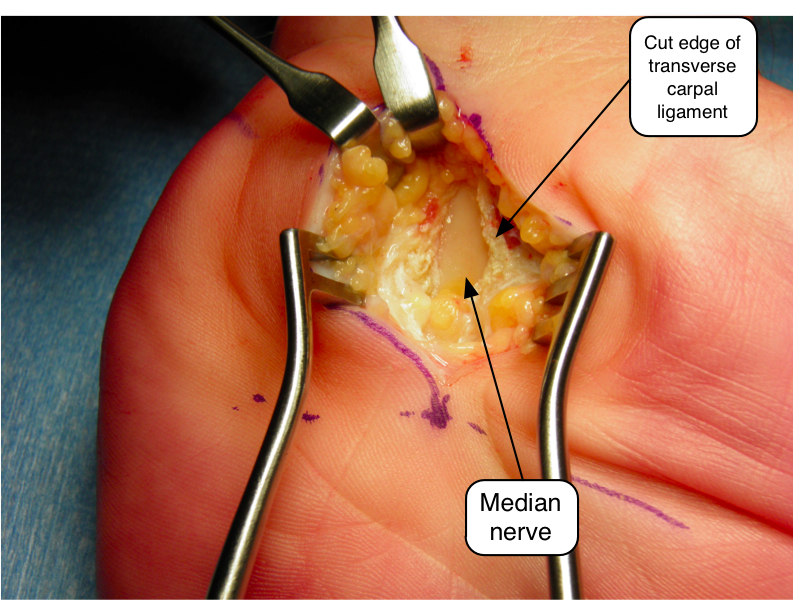
Carpal tunnel surgery, also known as carpal tunnel release, is a procedure that relieves pressure on the median nerve by cutting the ligament pressing on it. It is typically performed as a day procedure under local or regional anesthesia.
There are two main types of surgery:
- Open surgery: A small incision is made in the palm to access the ligament
- Endoscopic surgery: A minimally invasive approach using a small camera
Both methods aim to reduce pressure and restore normal nerve function.
Recovery and Rehabilitation
Recovery from carpal tunnel surgery varies depending on the individual and the severity of the condition. Most patients can return to light activities within a few weeks, while full recovery may take several months.
Post-surgery care includes:
- Hand and wrist exercises
- Gradual return to normal activities
- Avoiding heavy lifting initially
- Following medical advice for optimal healing
Understanding When to Consider Carpal Tunnel Surgery NZ for Persistent Hand Pain also means being prepared for the recovery process and committing to rehabilitation.
Benefits of Surgery
For individuals with severe or long-standing symptoms, surgery can provide significant benefits:
- Relief from pain and numbness
- Improved hand strength and function
- Prevention of further nerve damage
- Enhanced quality of life
Conclusion
Deciding When to Consider Carpal Tunnel Surgery NZ for Persistent Hand Pain is an important step toward regaining comfort and function in your hands. While non-surgical treatments work well for many people, persistent or worsening symptoms should not be ignored. Consulting with a qualified healthcare professional in New Zealand can help determine the best course of action and ensure you receive the care you need for lasting relief.
